Replay QA comparison
Replay QA vs PostHog self-driving
PostHog finds problems in what your users already did and opens PRs to fix them. Replay QA tests your app before anyone uses it, records every session deterministically, and suggests the fix.
The short version
- PostHog’s signals come from real usage: errors, dead clicks, session replays and support tickets. Replay QA needs no users.
- PostHog session replay reconstructs the DOM, and third-party iframes such as Stripe Checkout can’t be recorded. Replay QA records the browser deterministically.
- Both deliver fixes for review. Replay QA re-runs the same journeys to verify the fix.
At a glance
| Dimension | Replay QA | PostHog |
|---|---|---|
| What you provide | A URL or a GitHub repo. No setup beyond that. | Install the PostHog SDK, run the wizard, connect GitHub. |
| Test suite | None needed. Writes and runs its own Playwright tests. | None. |
| How bugs are found | Agents explore the app and discover user journeys themselves. | Scheduled agents watch production errors, replays and tickets. |
| Evidence | Deterministic time-travel recording of every session, plus video and annotated screenshots. | Session replay (DOM reconstruction), stack traces, events. |
| Root cause analysis | Agents time-travel through the recording; each report has a confidence score. | Investigated reports in an Inbox. |
| Suggested code fix | Every bug report includes a suggested fix for a coding agent. | Opens PRs for actionable reports; you merge. |
| Needs real user traffic | No. Tests before you ship. | Yes. Signals come from real usage. |
| Native mobile | No. Web apps, tested in Chromium. | Mobile replay and analytics; no mobile testing. |
| Coding agent access | Replay MCP server, REST API, and PR comments. | PostHog MCP, CLI and desktop app. |
| Pricing | Free (25 credits/mo), Starter $20/mo, Pro $200/mo. | $15 per self-driving PR (3 free/mo); usage pricing per product. |
Based on PostHog’s public site and documentation, last verified October 14, 2026. Products change; check the sources for the latest. posthog.com/self-driving · posthog.com/docs/self-driving · posthog.com/pricing · posthog.com/docs/session-replay/iframes
Product names are trademarks of their respective owners and are used for identification only.
Where Replay QA goes further
Before users hit it
PostHog’s loop starts when a real user hits an error, a dead click or files a ticket. Replay QA tests every journey before you ship, so it works on a new app with no users at all.
Runs your app to prove the fix
Replay QA re-runs the same journeys after you apply a fix, verifying it in a real browser and catching regressions.
A recording of what actually ran
Replay QA captures every DOM mutation, network call and JS frame deterministically. PostHog session replay reconstructs the DOM and cannot record third-party iframes.
Where PostHog is stronger
Real-user impact
PostHog ranks problems by what real users actually experienced, which no pre-release test can see.
One product-data platform
Analytics, feature flags, experiments, session replay and error tracking live in the same place.
Free tier and mobile replay
PostHog has a generous free tier and replays native iOS, Android, React Native and Flutter sessions.
Using both
Before and after release
Replay QA catches bugs before you ship. PostHog watches what slips through in production. Many teams want both halves.
Choose PostHog if
- You have meaningful production traffic and want fixes ranked by user impact.
- You already use PostHog for analytics, replay or error tracking.
Choose Replay QA if
- You want bugs caught before release, not after a user hits them.
- You ship faster than real traffic can reveal problems, or you have few users yet.
- You want each fix verified by re-running the journey in a real browser.
Examples of real agent-ready bug reports with evidence.
Every Replay QA bug report is prepared with coding agents in mind: a detailed root cause analysis, a suggested fix, a deterministic runtime recording, and all the context needed to do the job.
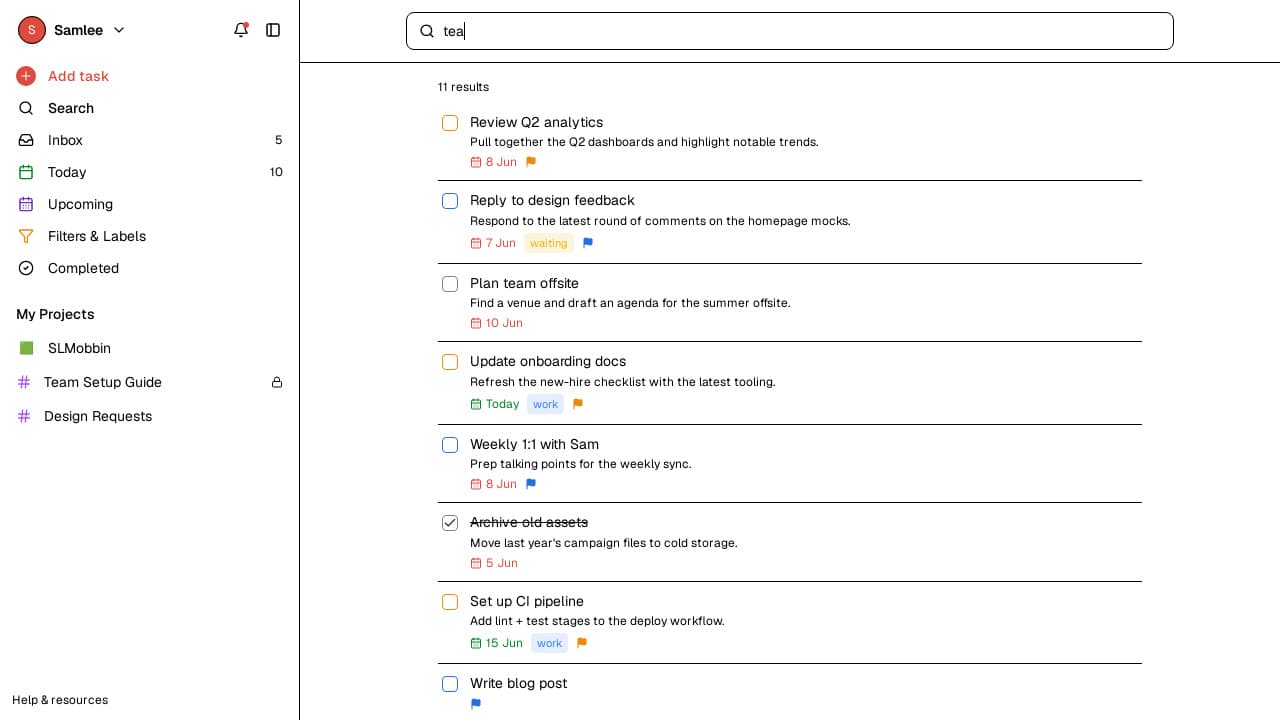 mediumRaces & orderingSearch shows results for the previous keystrokeTyping 'tea' shows the right result for a split second, then the results for 'te' replace it. Whether it happens depends on network timing, so it's flaky by nature.ExampleApps PR #6 · todoist-clone
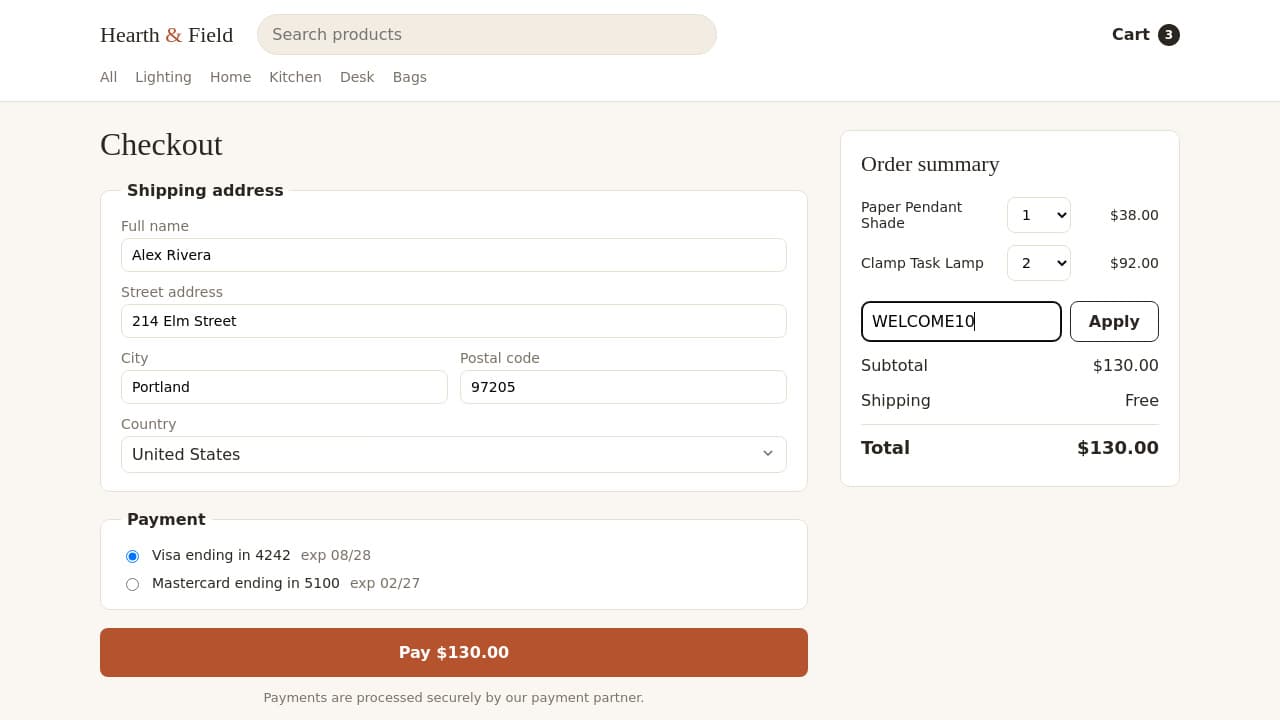 highHidden state corruptionCheckout charges the pre-discount total after a promo codeThe button says Pay $117.00 and the order goes through. Only the amount charged is wrong, and only when the promo is applied after the checkout page has loaded.storefront
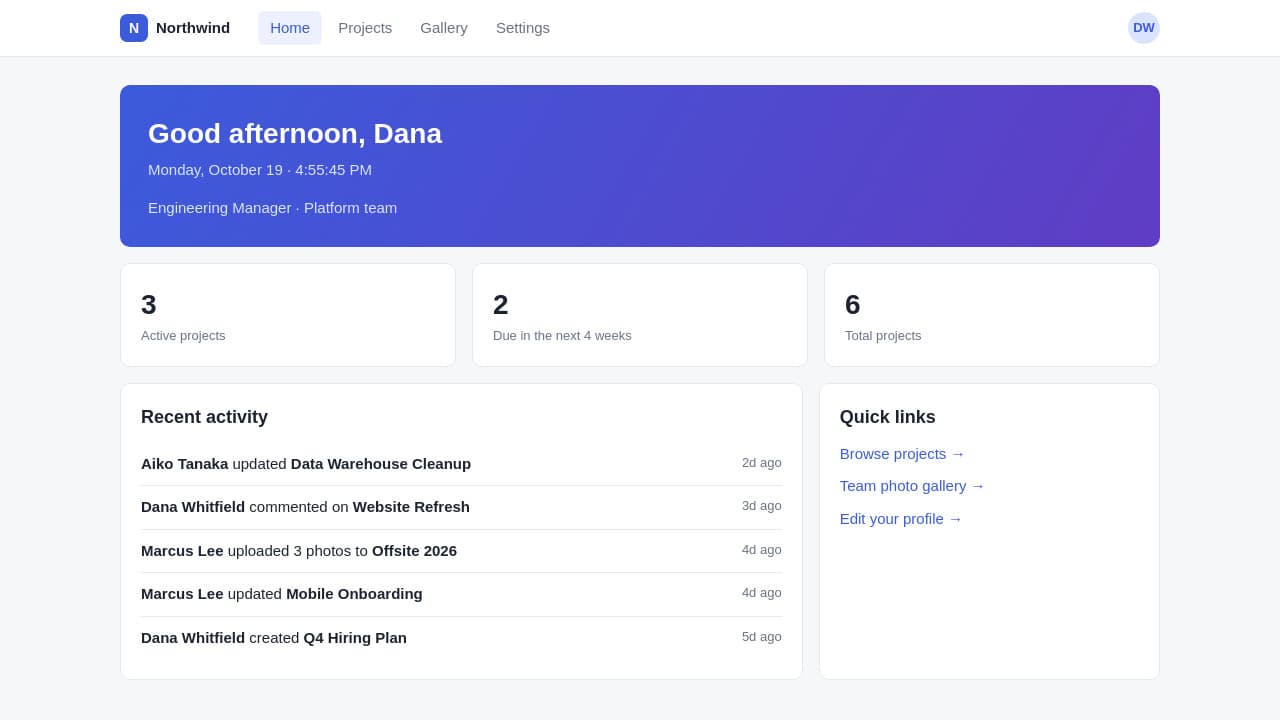 mediumRaces & orderingHome greeting fails hydration: ‘Good afternoon’ vs ‘Good evening’React regenerates the tree on the client, so the page ends up looking right. The mismatch only exists between the server HTML and the first client render.team-portal
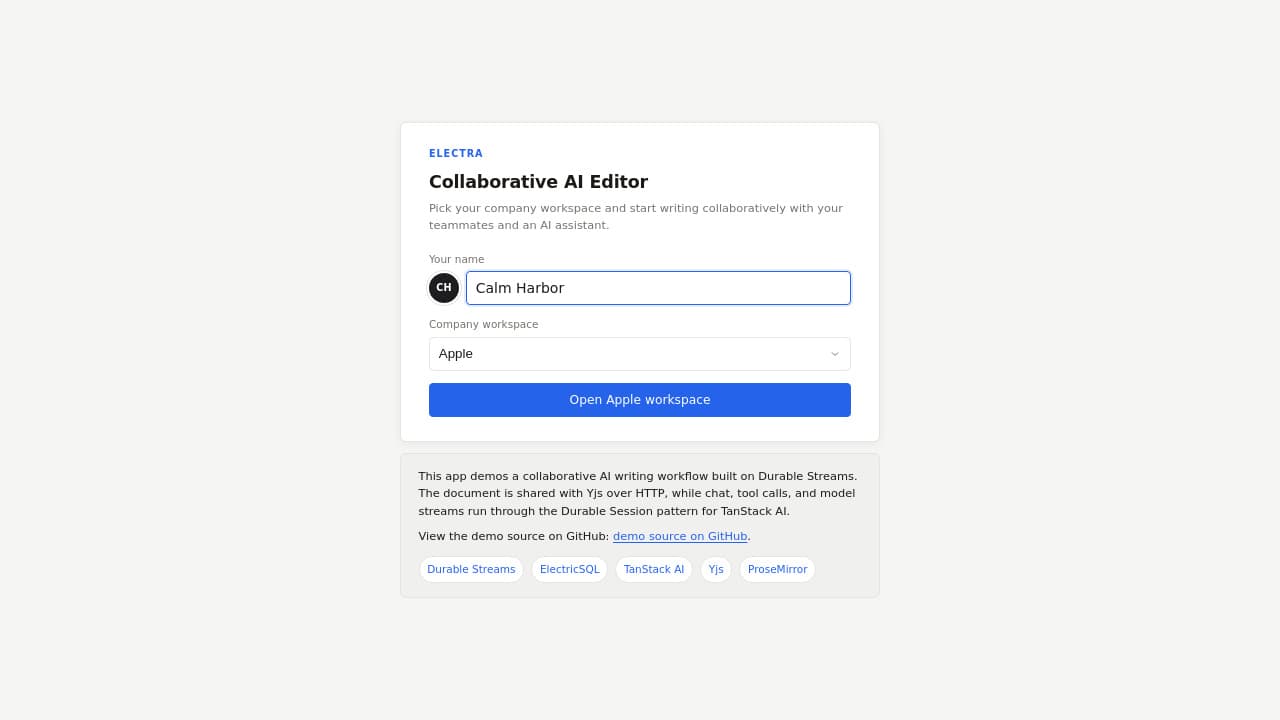 mediumSub-second glitchesUsers with 9 notes are told they have none for 760msA flash of wrong content during the initial sync. Data loads fine, and it's gone before anyone can point at it.collaborative-ai-editor
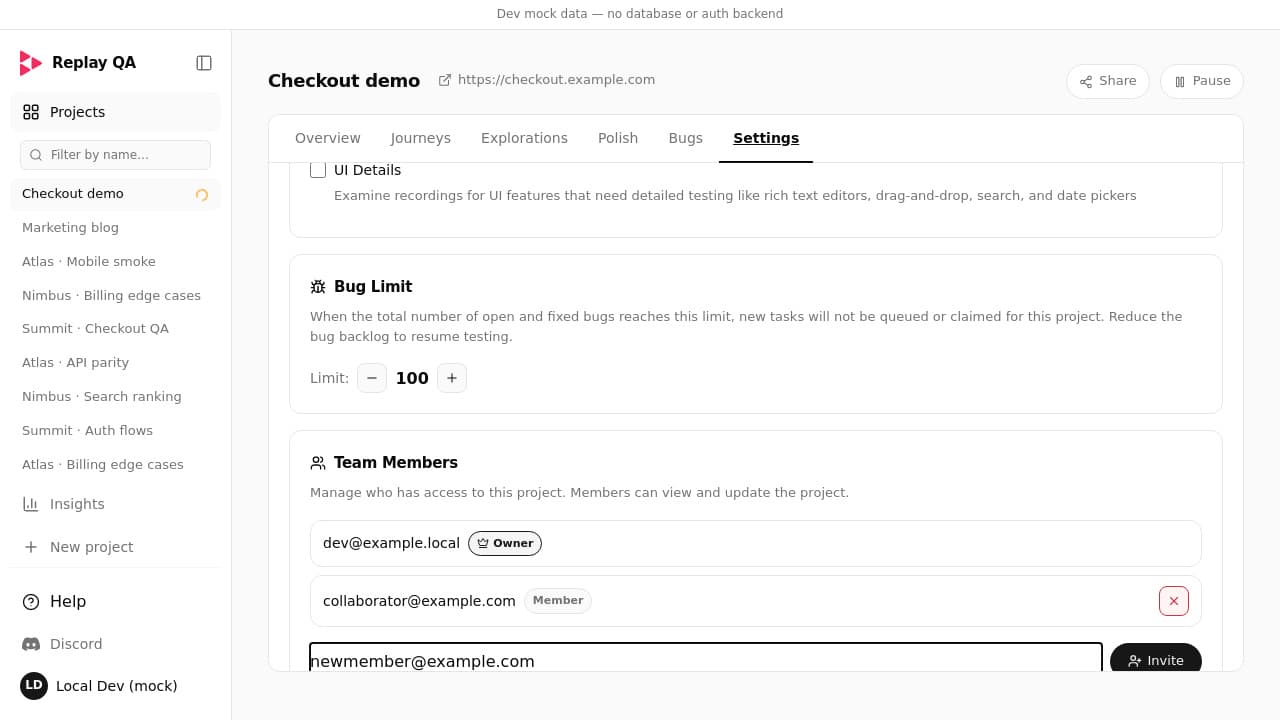 highSwallowed failuresInviting a teammate throws ‘object is not extensible’The error names property '2' on an object you never wrote. The actual cause is a push onto frozen Redux state, several layers away.loop-qa
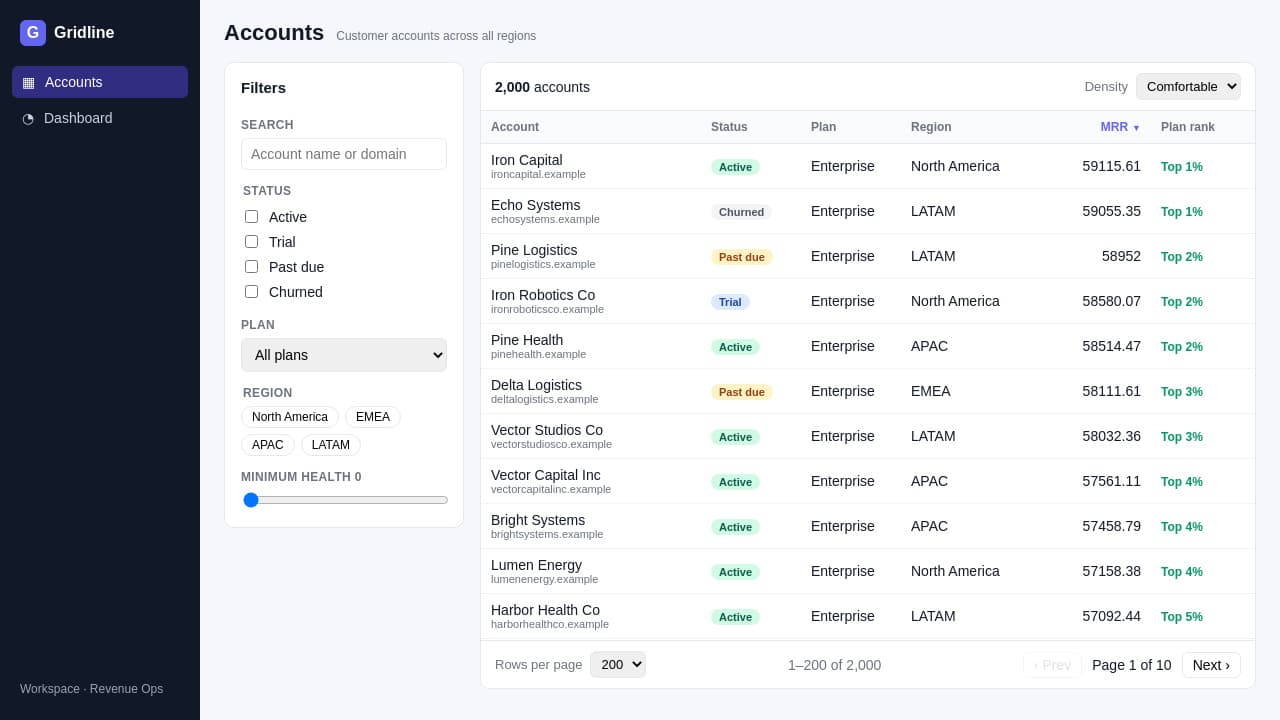 mediumRender & network forensicsEvery grid row fetches the same owner record againEach request returns 200 and the owner cells fill in. Only the network timeline shows the same user being fetched over and over.analytics-grid
Frequently asked questions
Related: All comparisons · Replay QA vs Momentic · Replay QA vs Ranger · Replay QA vs Tester Army
Test your web app today
Paste a URL or connect a GitHub repo. Free includes 25 credits a month, and an average app uses about 20 credits per full QA run.